Introduction
The Kingdom of Aksum was one of the most powerful and influential civilizations in ancient Africa. Located in what is now northern Ethiopia and Eritrea, Aksum grew into a major empire between the 1st and 7th centuries AD. It was known not only for its military strength, but also for its advanced culture, trade networks, and religious importance.
Aksum is often listed as one of the four great powers of the ancient world, alongside Rome, Persia, and China. This shows just how important and respected the kingdom was during its time. Even today, Aksum remains a symbol of Ethiopian identity and history.
Geography and Location
Aksum’s location played a major role in its success. It was positioned near the Red Sea, which made it easy to trade with regions such as Arabia, India, and the Mediterranean world. The land was also fertile, allowing people to grow crops and support a growing population.
Because of this strategic position, Aksum became a central hub for trade routes connecting Africa to other continents. Merchants would travel through Aksum to exchange goods, ideas, and culture.
Trade and Economy
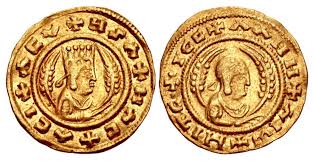
Trade was the foundation of Aksum’s power. The kingdom exported valuable goods such as gold, ivory, salt, and animal skins. In return, it imported luxury items like silk, spices, and glass from other regions.
Aksum was also one of the first African civilizations to mint its own coins. These coins were made of gold, silver, and bronze, and they helped make trade easier and more organized. The use of coins shows how advanced Aksum’s economy was compared to many other ancient societies.
Religion and King Ezana
One of the most important moments in Aksum’s history was the conversion to Christianity. This happened during the reign of King Ezana in the 4th century. Before this, the people of Aksum followed traditional religions.
After becoming Christian, Aksum became one of the first Christian states in the world. This had a lasting impact on Ethiopian culture, as Christianity remains a major religion in the country today.
Architecture and Obelisks
Aksum is famous for its giant stone obelisks, also known as stelae. These structures were carved from single pieces of granite and could reach great heights. They were built to honor important people, such as kings and nobles.
The construction of these obelisks required incredible skill and organization. Even today, they are considered one of the greatest achievements of ancient engineering in Africa.
Decline of Aksum
Despite its power, Aksum eventually began to decline around the 7th century. This was due to several factors, including changes in trade routes, environmental challenges, and possible conflicts with neighboring regions.
As trade shifted away from the Red Sea, Aksum lost its economic strength. Over time, the center of power moved to other parts of Ethiopia.
Legacy
The legacy of Aksum is still visible today. It played a major role in shaping Ethiopian identity, religion, and culture. The ruins of Aksum, including its obelisks and ancient buildings, are now recognized as a UNESCO World Heritage Site.
Studying Aksum helps us understand how advanced and connected ancient African civilizations were. It stands as a reminder of Ethiopia’s long and rich history.